quiet vibrators · noise and privacy · buying guide · 5 min read · Updated 2026-08-13
The 4 Quietest Vibrators in Australia (2026) + 1 Genuinely Silent Option, From A$39
The short answer
These are the four quietest vibrators we stock in Australia in 2026, ranked by manufacturer-rated noise level, from the Petal mini bullet (under 40dB, A$39) to the Arc curved massager (under 48dB, A$69) — plus the Sona glass wand, which has no motor and is silent by nature. Anything under 45dB is roughly fridge-hum territory and rarely carries through a closed door. We have not lab-measured these ourselves yet; all figures are manufacturer-rated, and our own doona-door-distance testing protocol starts once lab samples arrive.
Thin walls, housemates, kids down the hall — noise is the number-one practical worry we hear about, and most "quiet" claims online come with no numbers at all. This guide ranks the four quietest vibrators we stock by manufacturer-rated decibel level, plus one option that is silent because it has no motor to make noise.
Two things upfront. First, we sell everything recommended here — Velaine is a shop, and this guide exists to help you choose between our own products, not to pretend we're a neutral magazine. How we decide what to stock and recommend is on our editorial standards page. Second, the decibel figures below are manufacturer-rated — we have not yet measured them ourselves. Once our lab samples arrive we'll test every device with a repeatable protocol (under a doona, through a closed door, and at set distances) and publish our own figures alongside the manufacturer's.
The 4 quietest vibrators we stock in Australia (2026)
Ranked quietest first.
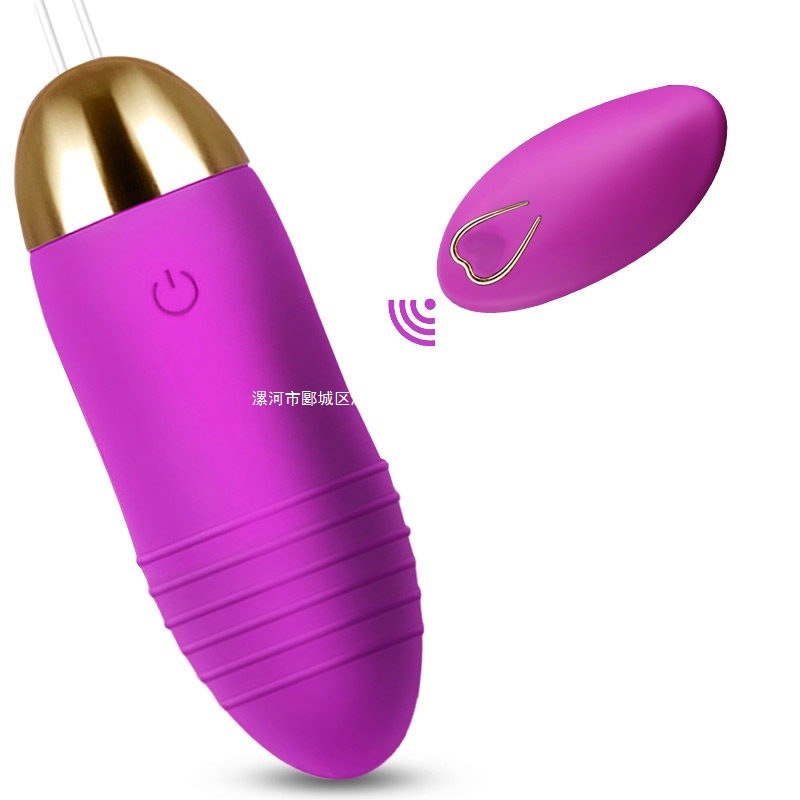
1. Petal mini bullet massager — A$39 (was A$55) — under 40dB
The quietest motorised option we carry. Manufacturer-rated below 40dB, which sits in whisper territory — generally inaudible in the next room even at night. At 9cm and 60g it's the smallest device we stock, made from medical-grade silicone, IPX6 rinse-safe, and it charges over USB-C in 60 minutes for a 90-minute run time. The travel lock stops it switching on in a bag, and it carries a 12-month warranty. If noise is your first concern, start here. See the Petal mini bullet.
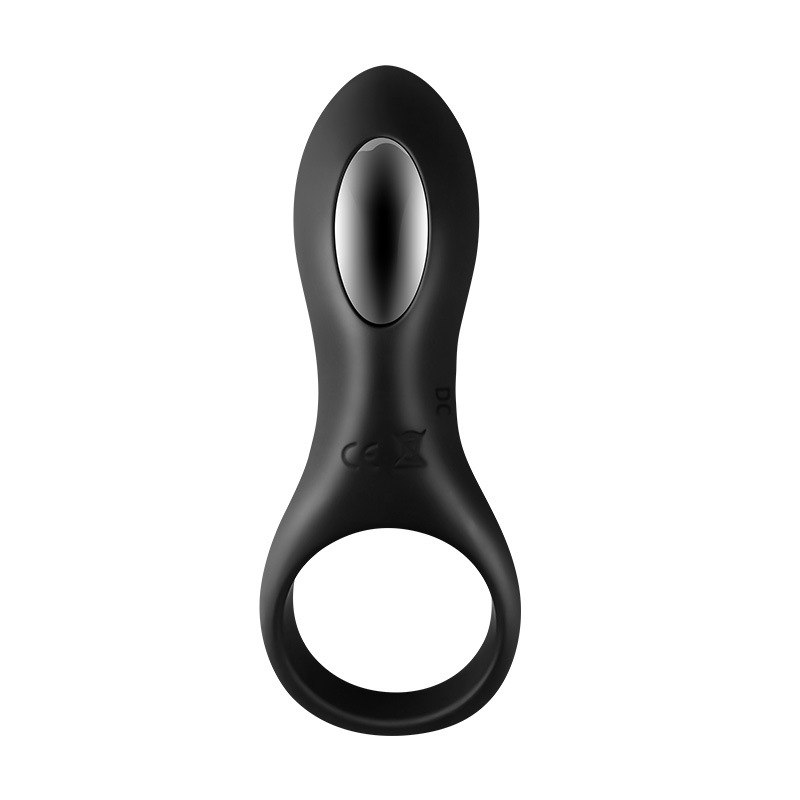
2. Orbit vibrating couples ring — A$49 (was A$69) — under 42dB
Rated below 42dB, and in practice a worn device runs quieter than the rating suggests, because body contact damps sound at the source. It's 35g of medical-grade silicone stretching from 3 to 6cm, IPX6, charges via magnetic USB in 60 minutes, and carries a 12-month warranty. Our pick for couples in a shared house. See the Orbit couples ring.
3. Luna flexible-head wand massager — A$89 (was A$119) — under 45dB
Wands are usually the loud category, which makes a sub-45dB rating the standout spec here. The Luna delivers deeper, lower-pitched vibration — the rumbly kind that reads as quieter than a buzzy motor at the same volume (more on pitch below). It's 19.5cm and 215g in medical-grade silicone, IPX7, with a 90-minute USB-C charge, 120-minute run time and a 12-month warranty. See the Luna wand.
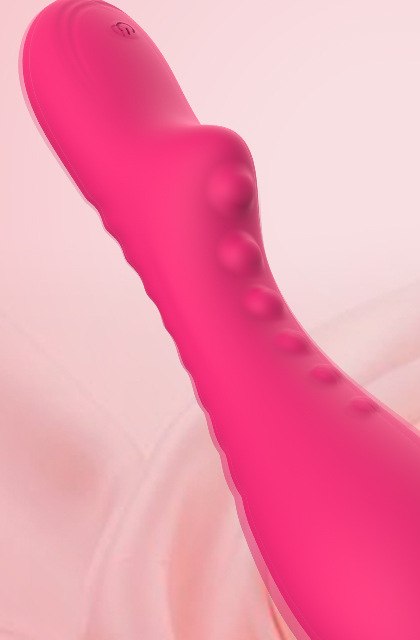
4. Arc curved massager — A$69 (was A$95) — under 48dB
The loudest device on this list at under 48dB — still well below the 55dB-plus zone where cheap devices live. Its quiet-house advantage is the IPX7 rating: fully submersible, so it can be used in the shower or bath, where running water masks motor noise entirely. It's 18cm (11cm insertable), 3.2cm in diameter and 150g, with an 80-minute magnetic USB charge and 12-month warranty. See the Arc massager.
+1 truly silent: Sona glass massage wand — A$55 (was A$75) — no motor
The only honest way to reach zero decibels: no motor. The Sona is 17.5cm of solid glass at 180g, suited to temperature play (warm it in water, cool it in the fridge), and ships in a padded box. If any audible hum at all is a dealbreaker, this is the answer — not a "silent" motor, which doesn't exist. See the Sona glass wand.
What decibel ratings actually sound like
Manufacturer dB figures are measured close to the device in a quiet room. Here's how the ranges translate to real life:
| Rating | Real-world equivalent | In a shared house |
|---|---|---|
| 35–40dB | Whisper | Generally inaudible in the next room |
| 40–45dB | Fridge hum | Blends into normal household background |
| 45–50dB | Quiet conversation | Faintly audible through a door at night |
| 55dB+ | Loud speech | Cheap-device zone — clearly audible |
Pitch matters as much as volume
Two motors at the same decibel level can sound very different. High-pitched buzzy motors cut through background noise the way a mosquito does — annoying and easy to locate. Lower-pitched rumbly motors blend into ambient sound like a distant washing machine. This is one reason the Luna, rated under 45dB, can be less noticeable in practice than a buzzier device with a similar rating, and it's a factor we'll capture in our own testing.
Can you hear a vibrator through walls?
At the ratings above, almost never — with two caveats. Airborne sound from a sub-45dB device drops off quickly and a standard internal wall or closed door absorbs most of the rest. What does travel is conducted vibration: a device resting against a bed frame, bedside table or shared wall turns that surface into a speaker. Keep the device on the body or on soft bedding and the through-wall risk effectively disappears. The other variable is time of night — see the habits below.
How to make a vibrator quieter: three habits
- Stay on soft surfaces. Skin, mattresses and a doona absorb sound; hard furniture amplifies it. Muffling under bedding can noticeably cut what escapes the room.
- Raise the ambient floor. A fan, air purifier or quiet music at 40dB masks a sub-45dB motor almost completely. This is why devices seem louder at 2am — the house has gone quiet, not the motor loud.
- Start low, and lock for travel. Begin on the lowest setting and increase only as needed, and use the travel lock (the Petal has one) so nothing switches on inside a bag.
Discreet from checkout to doorstep
Quiet extends past the bedroom. Every order ships from Australia in plain packaging with a neutral sender name and a neutral card statement, arriving in 2–5 business days — free over A$79, otherwise $9.95. Details in discreet shipping in Australia, and the full policy on our shipping and returns page.