shipping · privacy · australia · 5 min read · Updated 2026-08-13
Discreet Shipping in Australia: What Your Parcel, Label, Tracking & Bank Statement Actually Show
The short answer
Discreet shipping in Australia comes down to three things: a plain outer parcel, a neutral sender name on the Australia Post label, and a neutral descriptor on your bank statement. Tracking texts and safe-drop photos show only that neutral sender and a plain parcel — never the contents. If you share a mailbox, parcel lockers and Parcel Collect keep pickup entirely in your hands. Check a store's shipping page states all three before you order.
Discreet shipping means your order arrives in a plain satchel or box with no brand name or hint of contents, the label carries a neutral sender name, and the charge appears on your card statement under a non-descriptive business name. Tracking texts and delivery notifications show only that neutral sender — never what's inside.
That is the standard every reputable Australian store in this category should meet, and this guide walks through each point where your order could be visible — parcel, label, tracking, bank statement, doorstep — and what actually shows at each one. Velaine stocks everything we write about; our editorial standards explain how we work.
What actually shows, at a glance
| Touchpoint | What's visible | What's not |
|---|---|---|
| Outer parcel | Plain satchel or box, delivery address | Brand, logo, contents |
| Shipping label | Neutral sender name, barcode | Product names, category |
| Tracking SMS and email | Tracking number, sender name, delivery status | Item names |
| Bank statement | Plain company name, amount, date | Store brand, category |
| Safe-drop photo | A plain parcel at your door | Anything about contents |
The three rules of genuinely discreet packaging
A store's shipping page should state all three of these — if any is missing, ask before ordering:
- The outer parcel is anonymous. A standard satchel or plain brown box — no brand name, no logo, nothing printed that hints at contents. Inside, products sit in their own boxes with the invoice folded, not printed on the outside.
- The sender name is neutral. Labels show a plain company or fulfilment name. Anyone who sees the parcel — housemate, parent, front desk — learns nothing.
- The card statement is neutral too. The one people forget. The charge should appear under a non-descriptive registered business name, not the storefront brand, and good stores publish their exact descriptor.
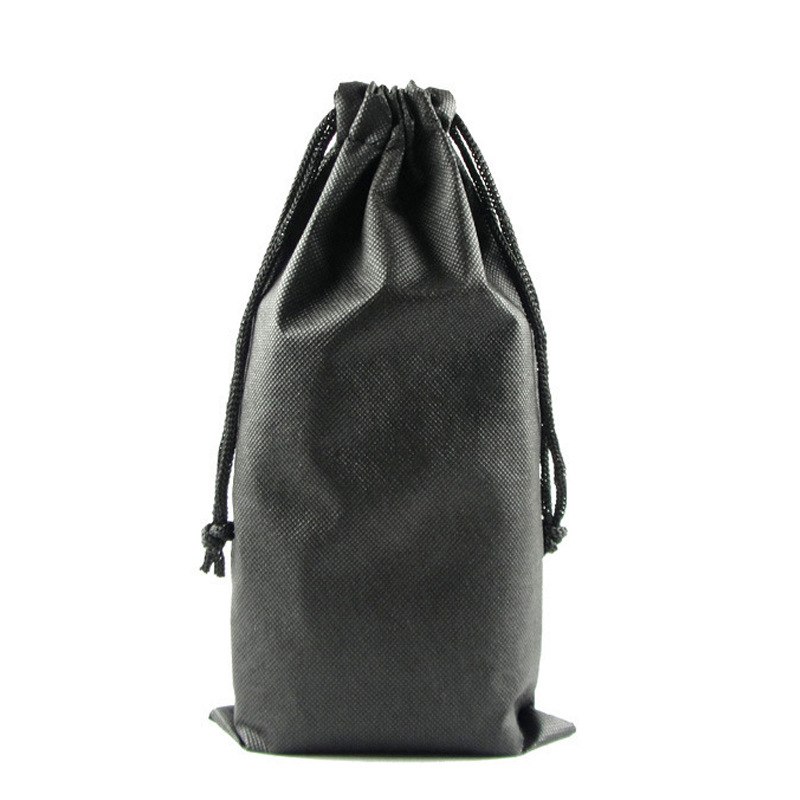
 Every Velaine parcel: plain satchel, neutral sender label, nothing printed that hints at what's inside.
What the Australia Post label shows
A domestic Australia Post label carries three things: the sender name, your delivery address, and a tracking barcode. There is no contents description on domestic parcels — so the only variable is the sender name, which is why rule two above matters so much.
Worth knowing: Australia Post doesn't decide any of this. Packaging and sender name are set by the store; the carrier just scans barcodes and moves parcels. Also worth knowing: parcels shipped into Australia from overseas carry a customs declaration describing contents in general terms on the outside. Orders shipped domestically don't — one more reason a local warehouse is the more private option.
What tracking notifications and SMS reveal
Tracking texts and emails show the tracking number, delivery status and the sender name — typically phrased like "your delivery from [sender] is on board." No item names, ever. Because the sender name appears on a lock-screen preview, a neutral sender name protects you twice: once on the parcel, once on your phone.
Two practical habits: use your own email and mobile number at checkout, since that's where every notification goes; and note that the Australia Post app only lists parcels addressed to your own name, so a housemate's app won't show your deliveries.
What your bank statement shows
The line item reads like any small online purchase: a plain registered business name, the amount, the date. No storefront brand, no category hint. This matters most on shared or joint accounts, where a statement is effectively public within a household.
Velaine bills under a neutral company name and publishes the exact descriptor on our shipping page, so you can see precisely what the line will say before you order. If another store won't tell you its descriptor, treat that as your answer.
Parcel lockers, Parcel Collect and workplace delivery
Sharing a mailbox doesn't mean giving up ordering online:
- Parcel lockers (Australia Post, free): 24/7 collection with an app barcode; the parcel never sits visible anywhere. The best option for most people.
- Parcel Collect: delivery to a post office counter, held up to 10 business days for photo-ID pickup — nobody but you can collect it.
- Workplace delivery: a plain parcel looks like any other office online order.
Signature-on-delivery and safe-drop: what each reveals
Signature-on-delivery means the parcel is never left unattended — but whoever answers the door can sign, so it isn't a privacy feature in a shared house. If nobody's home, the parcel goes to your local post office for photo-ID collection, which effectively becomes Parcel Collect.
Safe-drop leaves the parcel in a nominated spot with a photo confirmation. The photo shows only a plain parcel — nothing about contents — but the parcel itself sits at your door until you're home. Carrier apps let you nominate a hidden spot, which is the sensible middle ground.
How long delivery takes
From an Australian warehouse, expect 2–5 business days to metro areas and up to 8 for regional addresses. Stores shipping from overseas take 8–15 business days — not a privacy difference, but worth knowing before you assume a parcel is lost. Tracking numbers are standard; a store that doesn't provide one is cutting a corner that matters.
Your privacy after the parcel arrives
The parcel is temporary; the data isn't. Australian stores handling personal information are bound by the Australian Privacy Principles, and two questions are worth thirty seconds on any privacy policy: is purchase data shared with advertising platforms, and can you request deletion? A store that runs retargeting pixels through its checkout — meaning your purchase follows you around the internet as ads — has answered the first question already.
At Velaine, all three packaging rules apply to every order, our statement descriptor is published on the shipping page, and purchase data is never shared with ad platforms. Orders ship from Australia in 2–5 business days, free over A$79 (otherwise $9.95). We built the store around the assumption that privacy is the product too — see what we stock at the shop.