body-safe materials · buying guide · australia · 5 min read · Updated 2026-08-13
Body-Safe Sex Toys in Australia: How to Tell What You're Actually Buying
The short answer
Body-safe means non-porous and phthalate-free: medical-grade silicone, glass, stainless steel and ABS qualify; jelly, rubber and PVC never do. Australia has no mandatory material standard for adult products, so nobody checks this before a product reaches you. Run three checks on any listing: a named material in the spec table, a price that matches real silicone costs, and the smell test on arrival.
Adult intimate products are one of the least regulated consumer categories sold in Australia. No mandatory standard governs what they can be made of, nothing is tested before it reaches the market, and a seller can legally list a product without naming its material at all. "Body-safe" is therefore a claim you have to verify yourself, and this guide shows you how: what the term actually means, which materials pass, which fail, and the three checks that work on any listing.
One disclosure up front: Velaine is a store, and we stock every product mentioned below — our editorial standards explain how we keep guides honest. Read this one critically anyway. That is the point of it.
What "body-safe" actually means
Body-safe is not a regulated term, which is precisely the problem. When we use it, it means two specific, checkable things:
- Non-porous. The surface has no microscopic pores, so bacteria and mould cannot settle below the surface where cleaning can't reach them.
- Phthalate-free. The material contains no plasticisers — softening chemicals linked to endocrine-disruption concerns, which migrate out of cheap plastics over time.
A material that fails either test cannot be fixed by careful cleaning. It fails at the level of chemistry.
Materials you can trust
| Material | Porous? | Cleaning | Notes |
|---|---|---|---|
| Medical-grade silicone | No | Warm water and mild soap, or a no-rinse cleaner | Soft, warms to the body, very durable |
| Glass (borosilicate) | No | Warm water and mild soap; can be sterilised | Rigid; inspect for chips before each use |
| Stainless steel (316) | No | Warm water and mild soap; can be sterilised | Heavy, rigid, holds temperature well |
| ABS plastic | No | Warm soapy water, wipe dry | Hard plastic; usually a core or casing under silicone |
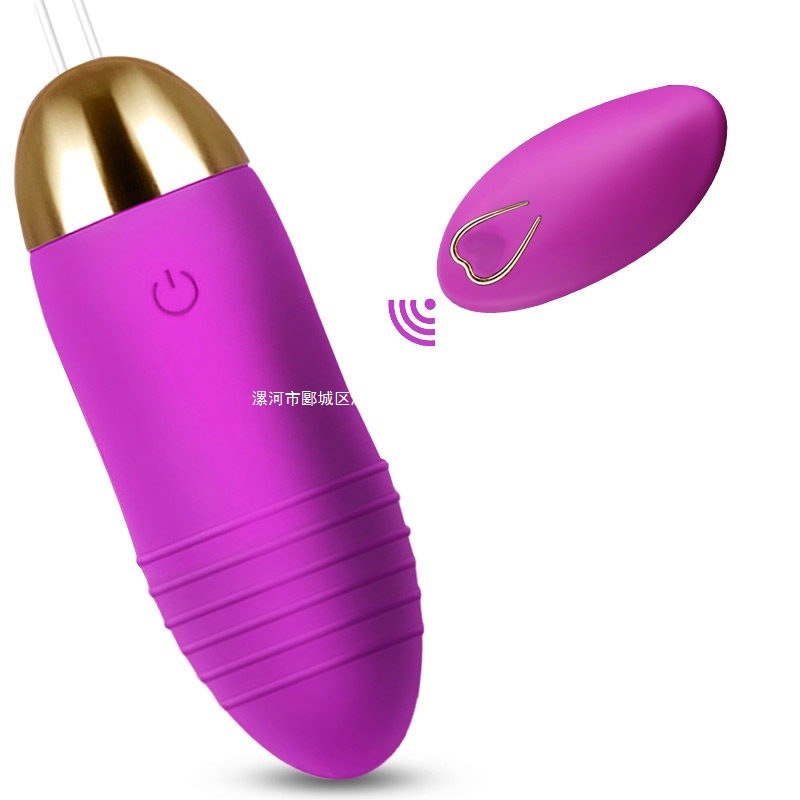
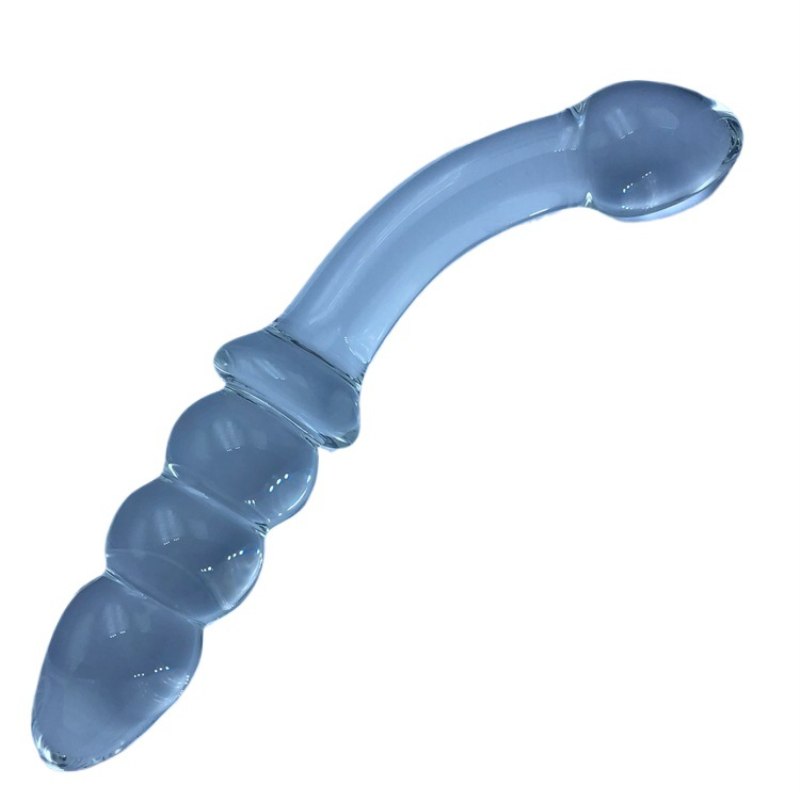
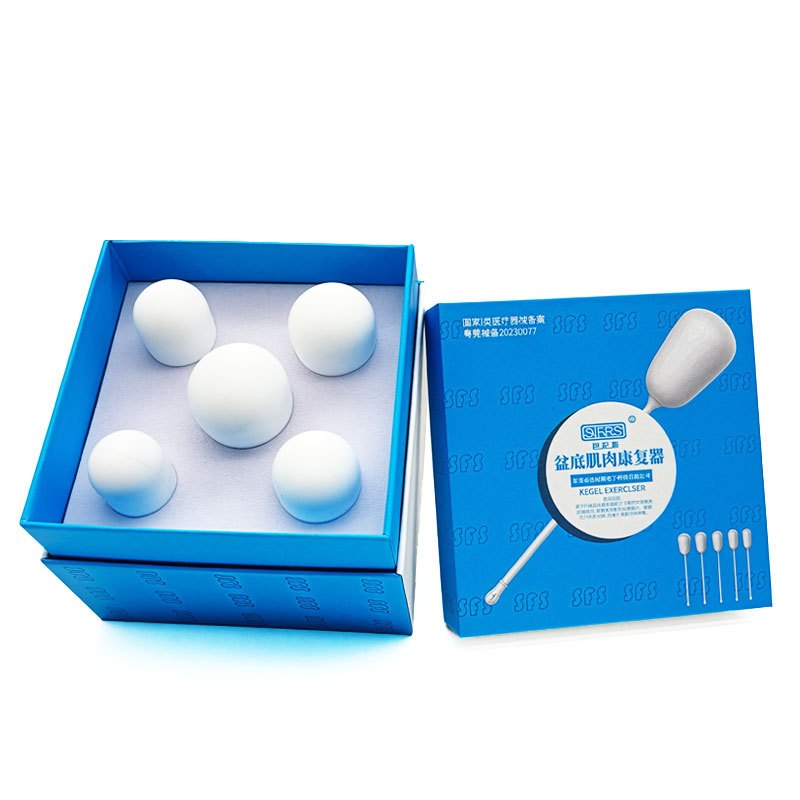
In practice, silicone dominates anything with a motor — the Petal mini bullet (A$39) is medical-grade silicone, as is every motorised product we stock. Glass earns its place through temperature play and effortless cleaning: the Sona glass massage wand (A$55) is solid glass with no motor, so warm water or a few minutes in the fridge changes the experience entirely. ABS mostly appears as a structural core — the Bloom kegel trainer set (A$59) is medical-grade silicone over an ABS core with a sealed join, and that seal matters: a seam that traps moisture undoes an otherwise non-porous design.
Materials to avoid
Jelly, rubber, PVC and "cyberskin" fail both tests at once. They are porous, they are typically softened with phthalates, and they leach — the greasy film and strong chemical smell on a cheap jelly product is the material actively shedding plasticiser. No cleaning routine makes them safe, because the problem sits inside the material, not on it.
TPE and TPR are the honest middle ground. Phthalate-free formulations exist and the feel is genuinely soft, but the material is porous, so it can never be fully sanitised. If you own TPE, treat it as external-use only and replace it regularly. We chose the simpler line: we don't stock porous materials at all.
Three checks anyone can run
- The material line, not the headline. A trustworthy listing names its exact material in the specification table. "Silky-soft", "skin-safe" and "premium material" are adjectives, not materials. If you cannot find a material name, assume the worst — sellers of genuine silicone say so, loudly.
- Price versus reality. Medical-grade silicone is expensive to produce. A full-size product retailing for $8 is not silicone, whatever the listing claims. For calibration: the smallest silicone product we stock, a 9 cm bullet, is A$39.
- The smell test on arrival. Body-safe materials have little to no odour out of the box. A strong chemical or vinyl smell is plasticiser evaporating — return the product.
Why mucous membranes raise the stakes
These products contact mucous membranes, which absorb chemical compounds far more readily than outer skin and are more hospitable to bacteria. A porous phone case is a cosmetic issue; a porous intimate product is a hygiene and chemical-exposure issue. That asymmetry is why the material line deserves more scrutiny here than in almost any other category.
Sex toys in Australia: what the law doesn't cover
Australia has no mandatory material or safety standard for adult intimate products. There is no required disclosure, no pre-market testing, and no certification a seller must hold before listing a product on a marketplace.
Phthalates are restricted here — but only in children's toys and childcare articles. That mandatory standard does not extend to adult products, so a plasticiser banned from a teething ring can be legally sold for intimate use.
Australian Consumer Law does prohibit misleading claims, but it acts after the fact and only when a claim is provably false — and a listing that names no material at all makes no claim to breach. The practical consequence: nobody upstream has checked this for you. The three checks above are not paranoia; in this category they are the entire safety system.
How Velaine vets every product
Because no regulator does this work, we built the filter ourselves. Every product on our shelf has passed five gates:
- A named material on every spec table. Each product page states the exact material — medical-grade silicone, solid glass — in the specification table, not buried in marketing copy.
- No porous materials stocked, full stop. No TPE, no TPR, not even for external use.
- A hard compliance filter. Jelly, PVC and TPR products are rejected outright at sourcing, before price or features enter the conversation.
- A price-reality check on suppliers. If a quote is too cheap for the material claimed, we treat the material claim as false and walk away.
- Photo and specification verification. Supplier photos and spec sheets are checked against samples. Where a spec is still awaiting verification — the full waterproof rating of the Velvet duo warming massager, for instance — the product page says so rather than guessing.
The result is a short shelf, and every page carries the material line this guide told you to demand — see for yourself. To keep body-safe materials that way, store products dry in something breathable like the Haven pouch set (A$22), clean gently — our foaming no-rinse cleaner (A$19) is alcohol-, fragrance- and paraben-free — and pair silicone with water-based lubricant (here's why). Our cleaning and storage guide covers the full routine.