buying-advice · beginners · massagers · 2 min read · Updated 2026-07-08
How to choose your first personal massager: a no-nonsense guide
The short answer
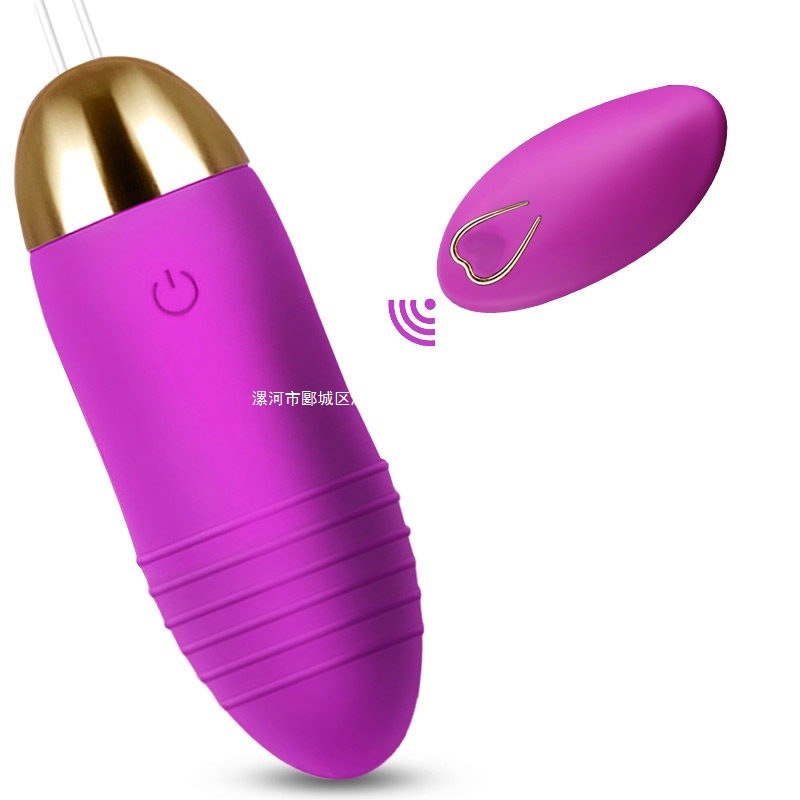
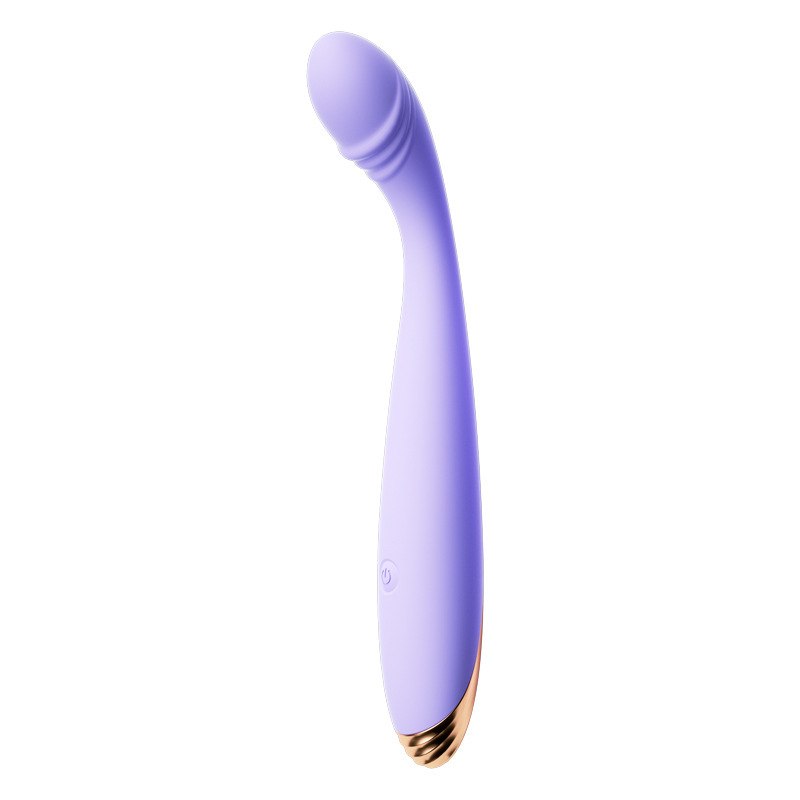
For a first personal massager, start small and simple: a bullet or compact wand in medical-grade silicone, with a low-pitched (rumbly) motor, noise under 45 dB, at least IPX6 waterproofing, and USB charging. Expect to pay AU$35鈥?0 鈥?cheaper usually means unsafe materials, and more expensive buys features beginners rarely use.
Most first-time buyers overthink the feature list and under-think the basics. After the material question (which has its own guide), only five things meaningfully affect whether you'll be happy with a first purchase.
1. Size: smaller is the smarter start
The most common first-purchase regret is buying too big. A palm-sized bullet or compact wand is easier to hold, easier to control precisely, and far less likely to end up unused in a drawer. There is no prize for starting large 鈥?and a AU$39 bullet teaches you more about your preferences than any amount of review-reading.
2. Motor character: rumbly beats buzzy
Two motors with identical power ratings can feel completely different. High-frequency "buzzy" motors create a shallow, surface-level sensation that many people find numbing after a few minutes. Lower-frequency "rumbly" motors produce deeper, more comfortable pressure waves. Product pages rarely print frequency numbers, so use the proxy: deeper-pitched sound generally means a rumblier motor, and anything described as "deep" or "thuddy" in reviews is a good sign.
3. Noise: under 45 dB is the sharehouse threshold
If you live with housemates or family, this number matters more than any other spec. Under 45 decibels 鈥?about the level of a quiet conversation 鈥?a massager is inaudible through a closed door. Manufacturers that don't publish a decibel figure usually have a reason.
4. Waterproofing: IPX6 minimum, IPX7 for the bath
Waterproofing is a cleaning feature first and a shower feature second. IPX6 means the product can be rinsed thoroughly under running water; IPX7 means full submersion. Anything unrated or "splash resistant" will eventually have water find the seam 鈥?and a product you can't rinse properly is a product you can't keep clean.
5. Controls: one button you can find without looking
More settings is not better. Ten patterns you cycle through with one unlabelled button, in order, every time, is a design failure you'll be annoyed by weekly. Look for: a dedicated off (hold-to-stop), buttons you can distinguish by touch, and a travel lock if you ever pack it in luggage.
Putting it together
A sensible first setup is a compact massager plus a small bottle of water-based lubricant 鈥?AU$60鈥?10 all in. Skip silicone-based lubricant with any silicone product (here's why), wash before first use, and store it in a breathable pouch rather than loose in a drawer.
The honest summary: buy small, buy silicone, buy quiet, and spend the money you saved on getting the basics right rather than the feature list.