care · cleaning · essentials · 2 min read · Updated 2026-07-08
How to clean and store intimate products properly (it takes two minutes)
The short answer
Wash body-safe products before first use and after every use with warm water and mild unscented soap 鈥?20 seconds is enough for non-porous materials like silicone, glass and ABS. Dry completely, then store each product in its own breathable pouch, never loose in a drawer or sealed in plastic. Dedicated cleaning sprays are a convenience, not a requirement; porous materials (jelly, TPE) can never be fully cleaned, which is a reason to avoid them.
Care instructions in this category are usually either alarmist or absent. The truth is boring: for body-safe materials, proper hygiene takes about two minutes and no special equipment. Here is the whole of it.
Cleaning: the two-minute version
When: before first use, and after every use, without exceptions. New products carry manufacturing residue and warehouse dust; used products carry exactly what you would expect.
How: warm (not hot) water, mild unscented soap, twenty seconds of actual contact with every surface, rinse thoroughly, dry completely. That is the entire procedure for silicone, borosilicate glass, ABS and stainless steel 鈥?because these materials are non-porous, there is nowhere for anything to hide (this is also the core argument of our materials guide).
Waterproofing determines technique. IPX7-rated products can be washed under the tap like a dish. For IPX6 and below, keep water away from charging ports and seams: wash with a soapy cloth, then a rinsed cloth.
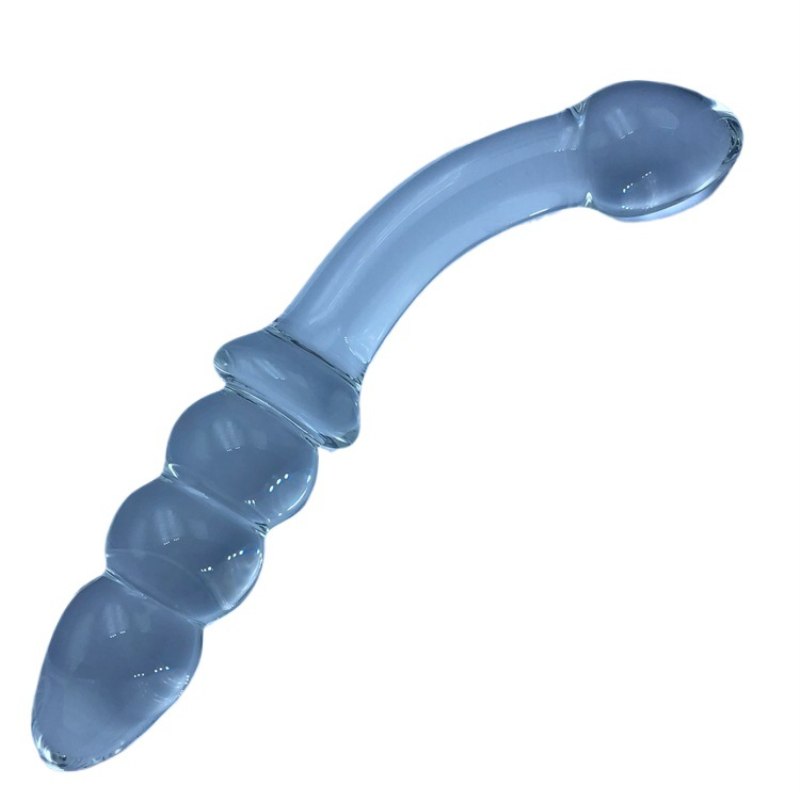
For motor-free items 鈥?glass wands, solid silicone, steel 鈥?you have a stronger option: 3鈥? minutes in boiling water, or the top rack of a dishwasher, fully sterilises them. Never do this to anything containing electronics.
What about cleaning sprays?
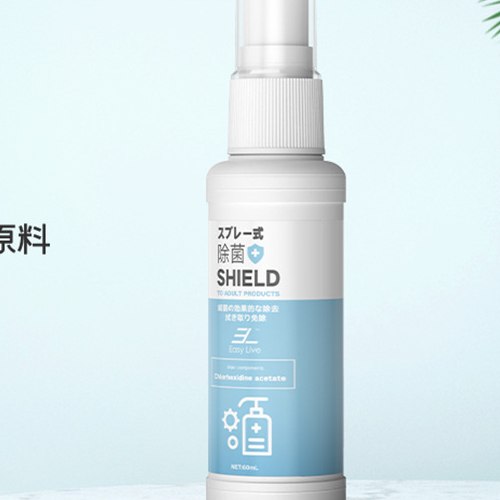
A no-rinse foaming cleaner does the same job faster and without a tap, which makes it genuinely useful for travel and convenient at home. What it is not is mandatory 鈥?any shop that implies soap and water is inadequate for non-porous materials is scaring you into a purchase. We stock a cleaner and will still tell you that.
One rule regardless of method: avoid alcohol and bleach on silicone. Both degrade the surface over repeated use.
Storage: the half you're probably skipping
Washing is only half the routine. Three storage rules prevent nearly all long-term damage:
- Dry completely first. Trapped moisture is how mildew happens, and mildew is unrecoverable 鈥?the product goes in the bin.
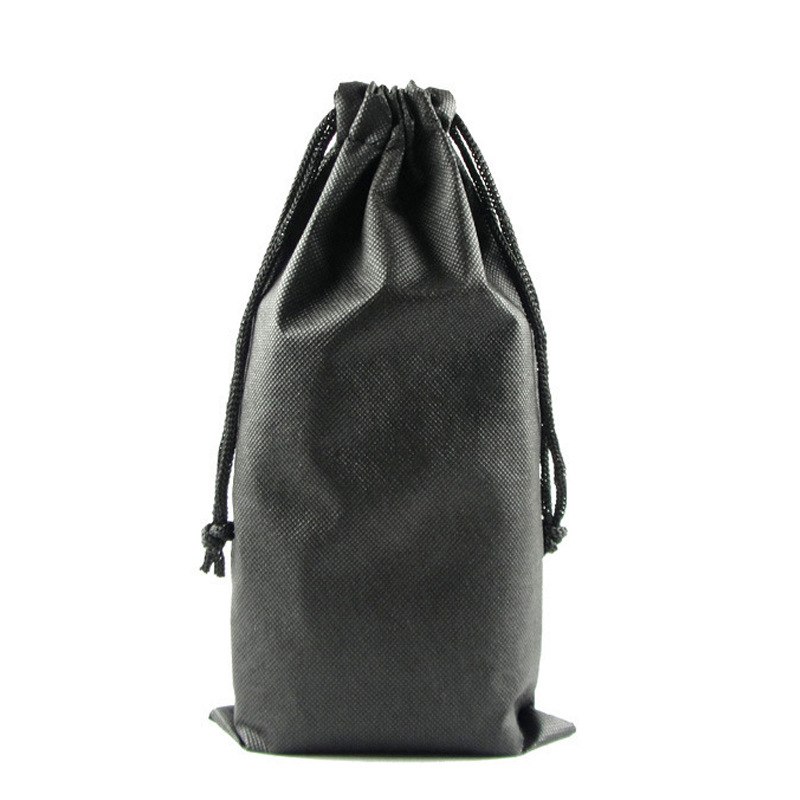
- One product per breathable pouch. Cotton or fabric pouches let residual moisture escape while keeping dust off (dust adheres to silicone with impressive commitment). Sealed zip-lock bags do the opposite.
- No direct contact between products. Different silicone formulations stored pressed together for months can soften and degrade each other 鈥?the tacky patch where two products touched is a write-off. Separate pouches solve this and the dust problem at once.
Temperature matters less than people fear: a drawer at room temperature, away from direct sunlight, is exactly right. Batteries are the exception 鈥?for products stored months between uses, charge to roughly half and top up occasionally, which is kinder to lithium cells than storing empty or full.
The complete routine, summarised
Wash with soap and warm water after each use, dry fully, one pouch per product, drawer, done. Two minutes, no anxiety required.