lubricant · buying-advice · essentials · 2 min read · Updated 2026-07-08
Water-based vs silicone-based lubricant: which one should you actually use?
The short answer
Water-based lubricant is the safe default: compatible with all materials including silicone products, condom-safe, and easy to wash off 鈥?its only drawback is needing occasional reapplication. Silicone-based lasts far longer and works in water, but must never be used with silicone products, as it degrades their surface. If you own any silicone product, buy water-based.
This is the most-asked question in the category, and it has an unusually clean answer. Here is the whole decision in one table, then the reasoning.
The comparison
| Water-based | Silicone-based | |
|---|---|---|
| Safe with silicone products | Yes | No 鈥?degrades them |
| Condom-safe (latex/polyurethane) | Yes | Yes |
| Longevity before reapplying | Moderate | Excellent |
| Works underwater | Poorly | Yes |
| Washes off | Water alone | Soap needed |
| Fabric staining | No | Can mark fabric |
| Sensitive-skin friendly | Best options here | Generally fine |
The one rule that decides it for most people
If you own 鈥?or ever plan to own 鈥?any silicone product, use water-based lubricant. Liquid silicone slowly bonds with cured silicone surfaces: first the surface turns slightly tacky, then it visibly degrades. The process is gradual, cumulative and irreversible, and it is the single most expensive lubricant mistake people make, because it quietly ruins a $90 product to save a $25 decision.
Since medical-grade silicone is the dominant material for quality products (for good reason 鈥?see our materials guide), water-based is the right default for most people. It is also the gentler option for sensitive skin, provided you choose a low-glycerin, fragrance-free formula.
When silicone-based genuinely wins
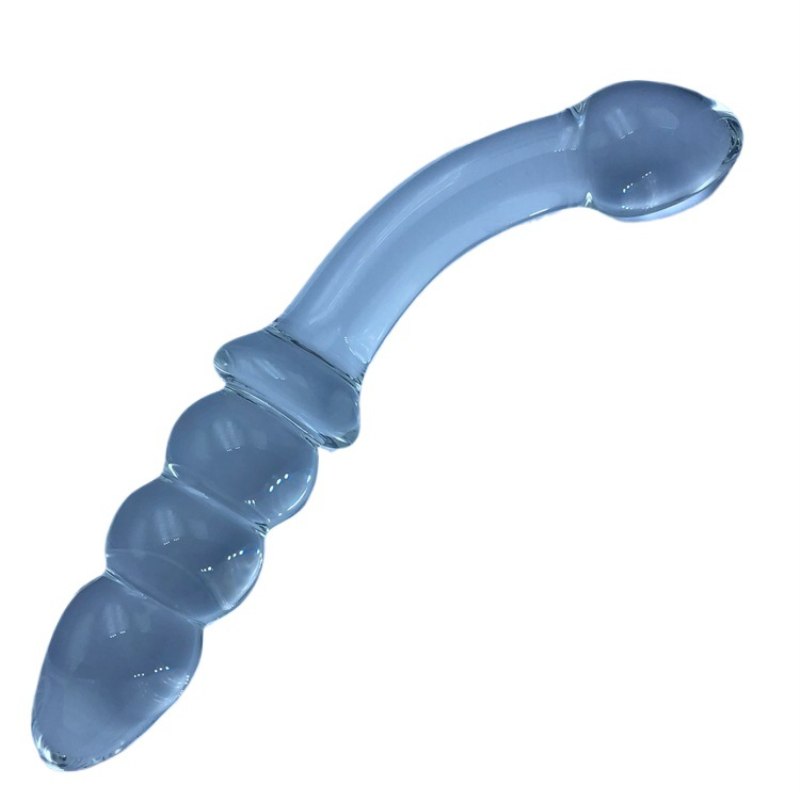
Silicone-based lubricant is not a lesser product 鈥?it is a specialist. It outlasts water-based formulas several times over, doesn't absorb into skin, and keeps working underwater, which water-based formulas do not. If you use no silicone products, or pair it only with glass or stainless steel (both compatible with everything), it is an excellent choice 鈥?especially for shower or bath use.
What about "hybrid" and oil-based?
Hybrids (water-based with a small silicone fraction) inherit the silicone rule: treat them as unsafe with silicone products unless the maker explicitly certifies otherwise. Oil-based lubricants and kitchen oils weaken latex condoms within minutes and are harder to wash from intimate skin 鈥?most people are better served by the two main categories.
The short version
Buy a good water-based formula as your default. Add a silicone-based bottle only if you have a specific use for it and no silicone products in the drawer it might meet.